Your AI Agent Doesn't Know Court Rules. Now It Can.
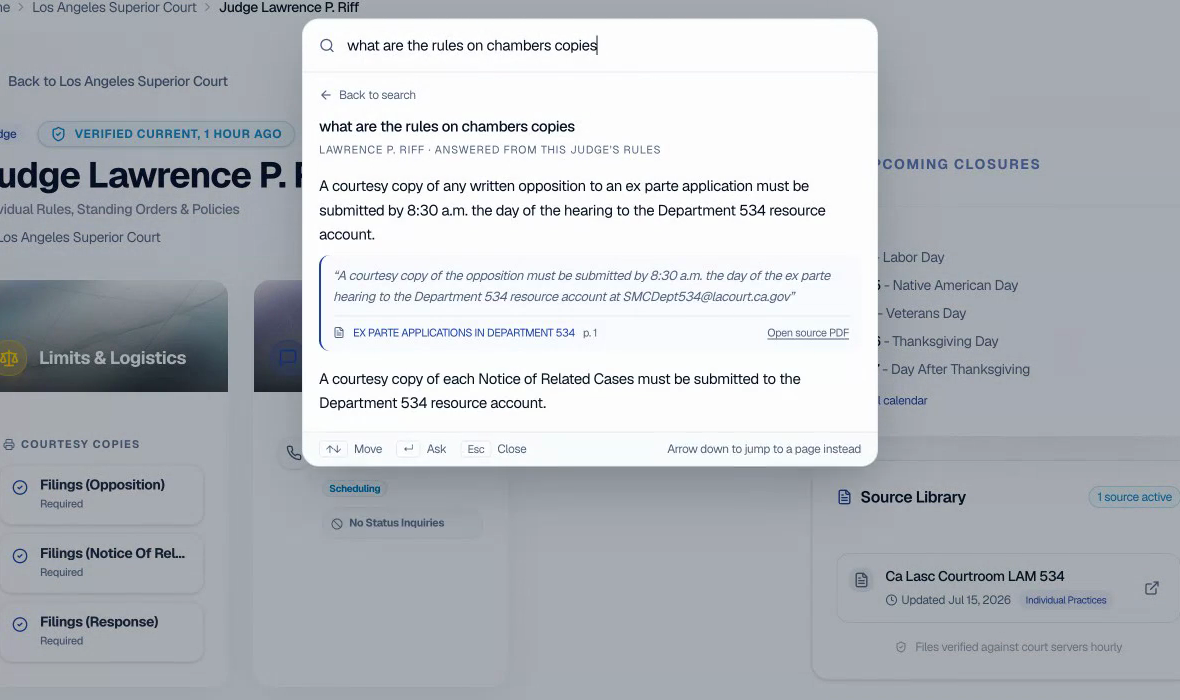
We built an MCP server that gives AI agents access to structured court rules and enforcement data. 7 tools, 20+ courts, 21 jurisdictions. Here's what it does and how to set it up.
Practical guides on court rules, enforcement trends, filing compliance, and legal data infrastructure.

We built an MCP server that gives AI agents access to structured court rules and enforcement data. 7 tools, 20+ courts, 21 jurisdictions. Here's what it does and how to set it up.

Every legal tech stack has a drafting tool and a filing tool. Between them is a gap where documents meet a judge's rules for the first time. We analyzed federal docket data to measure what that gap actually costs.

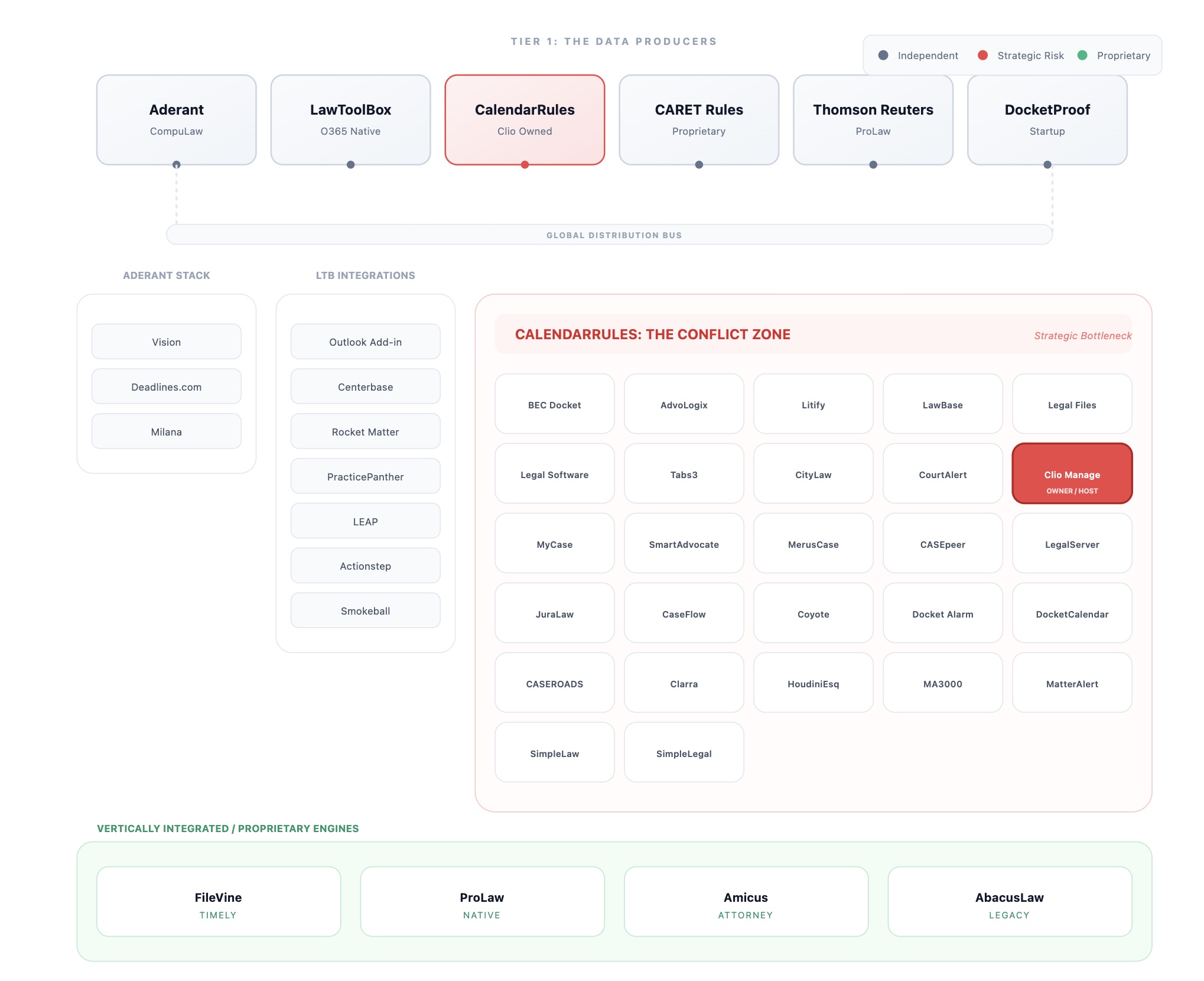
Most docketing software doesn't maintain its own rules. It licenses them. Here's who actually produces the rules behind your deadlines, where errors originate, and what's shifting in 2026.
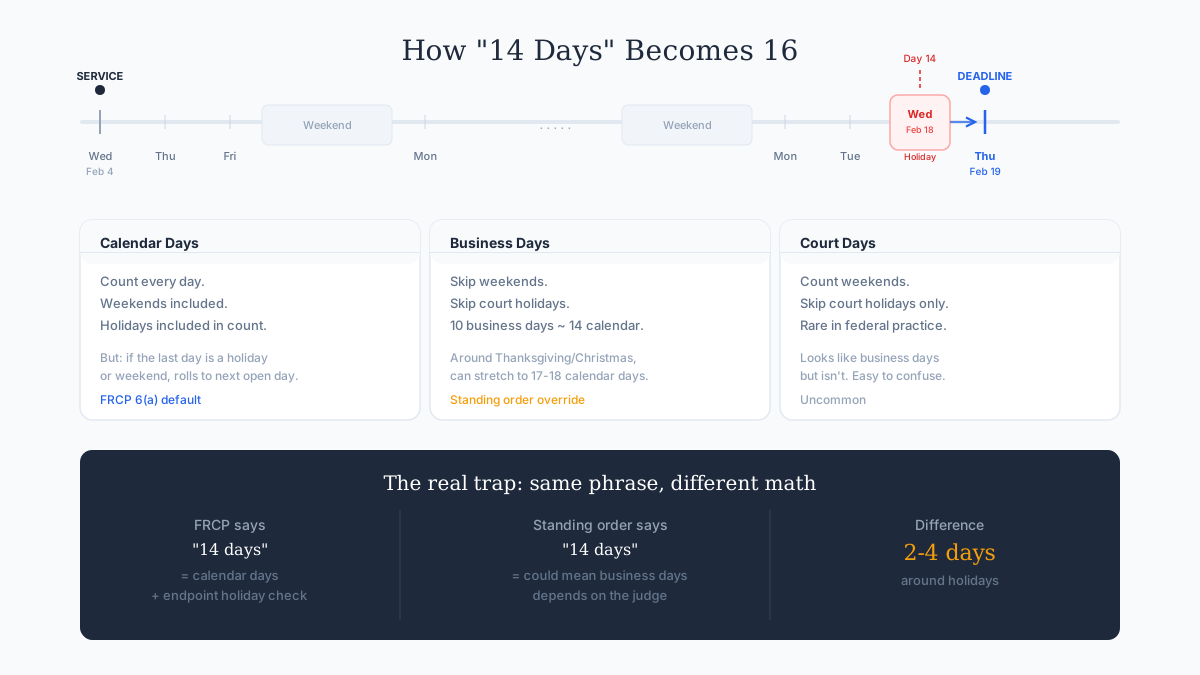
Calendar days, business days, court days. Federal deadline math is full of traps. Here's what FRCP 6(a) actually says, where judges override it, and how to stop guessing.

The Federal Rules of Civil Procedure were supposed to create one system for every federal court. Rule 83 quietly undid that promise, and 670+ judges have been writing their own procedural playbooks ever since.

Spiral-binding mandates. Banned footnotes in affidavits. A 3-page limit you didn't know existed. These are the rules that trip up even experienced litigators.

Discovery goes to the Magistrate. Dispositive motions go to the District Judge. Mix them up and your 25-page brief gets rejected.

14 days after service. Calendar days or business days? What if day 14 is a Saturday? Here's how to turn unstructured PDF rules into deterministic dates.

Every federal judge has their own procedures. Finding them, reading them, and making sure they haven't changed is a quiet tax on every litigation practice in the country.
We write about court rules, enforcement intelligence, filing compliance, and the data infrastructure behind legal operations.