Which Federal Courts Still Require Fax Machines in 2026?
Some federal courts still list fax numbers, and many more still have other paper requirements.
CM/ECF (Case Management / Electronic Case Files) has been the standard federal court e-filing system since the early 2000s. By 2026, every federal court accepts electronic filings.
Local rules and standing orders across 20 districts still contain paper requirements alongside the electronic system, and fax is one example.
Fax: Not Dead, Just Niche
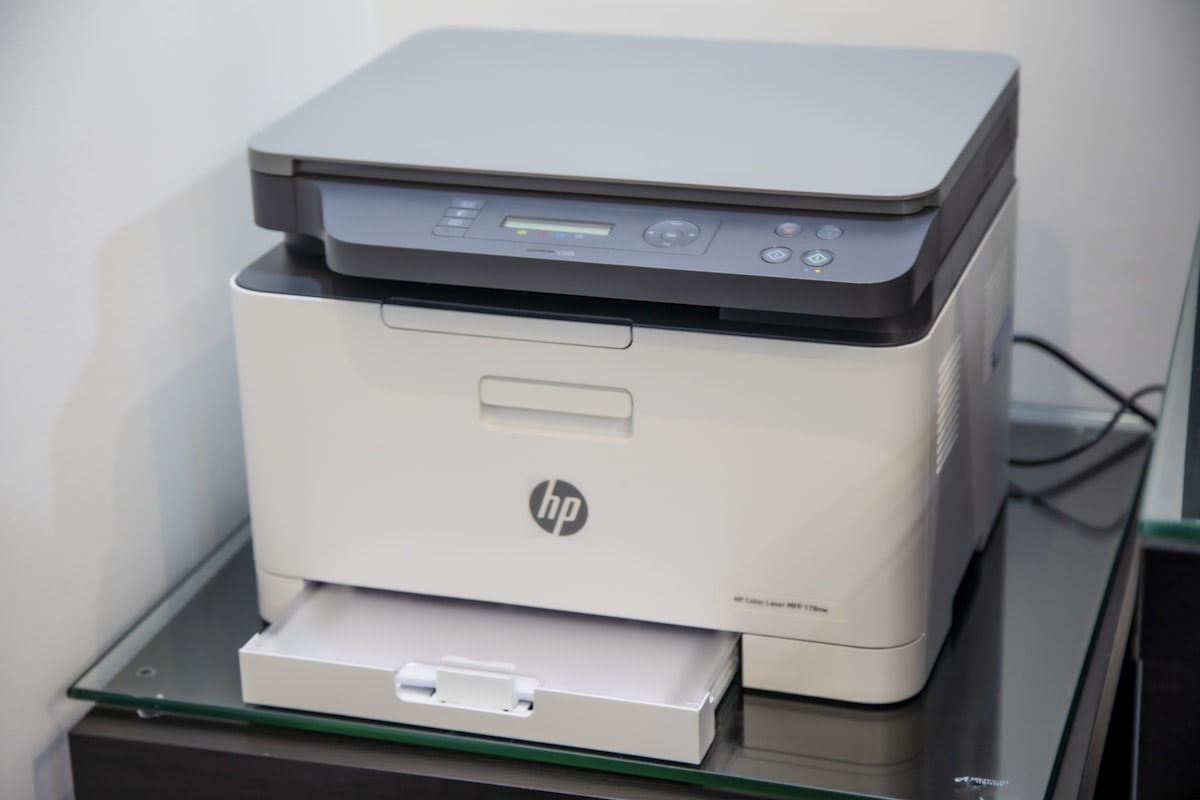
Several districts still include fax numbers in their local rules for specific use cases. The most common use is emergency filing outside business hours. If CM/ECF is down (it happens) or if you need to reach the duty judge at 2 AM for a TRO, some courts list a fax number as the backup channel.
The Southern District of Texas includes fax filing provisions in its local rules for pro se litigants who haven't registered for CM/ECF. Requiring unrepresented parties to use electronic filing creates an access-to-justice barrier, and fax is the compromise. The rules do not address whether a pro se litigant in 2026 is more likely to own a fax machine than to have internet access.
The Courtesy Copy Industrial Complex
Courtesy copies are the real analog holdout. Roughly a third of the judges in our dataset require physical copies of at least some filings, delivered to chambers in addition to the electronic filing. The requirements range from reasonable to remarkable:
- Paper quality: One judge specifies white paper, "not off-white, cream, or recycled stock."
- Binding: Three-hole punch, spiral-bound, stapled top-left, or "unbound with binder clips." Depends on the judge.
- Tabs: "Exhibits must be separated by numbered tabs extending at least 1/2 inch beyond the page edge."
- Delivery method: Hand-delivery required (not mail). Some judges specify same-day, others allow 48 hours.
- Marking: "Courtesy copies must be marked 'COURTESY COPY' on the front page in bold."
The physical copies duplicate what is already in the court's electronic system. Judges who require them say they prefer reading paper, because screens cause eye strain and annotations are easier with a pen.
CD-ROMs in the Age of the Cloud
At least two districts in our dataset still include provisions for submitting electronic evidence on physical media. The rules mention "CD-ROM, DVD, or USB drive" as acceptable formats. These provisions typically apply to large exhibits (video depositions, voluminous electronic discovery) that exceed CM/ECF's file size limits.
CM/ECF file size limits vary by district but are typically 35-50 MB. A single video deposition can be several gigabytes. Until the courts build a large-file upload system, the workaround is to burn a disc and mail it. In 2026. To a courthouse that has a mail room, where someone will, presumably, find a computer with a disc drive.
The Colored Paper System
A handful of judges use a color-coded paper system for courtesy copies. One judge in the District of New Jersey requires different colored cover sheets for different motion types: blue for dispositive motions, yellow for discovery disputes, pink for emergency applications. The color tells the clerk's office how to route the document before anyone reads a word.
The colors sort a stack of courtesy copies on a desk before anyone reads them, and the system needs no technology or training.
Handwritten Orders
Several judges still issue handwritten margin orders, especially for routine discovery disputes. A motion is filed electronically, and the judge reviews the courtesy copy and writes "GRANTED" or "DENIED" with a note in the margin. The clerk then scans the annotated page back into CM/ECF as the official order.
The result is a docket entry that contains a scanned image of a handwritten note on a printed page. It is simultaneously a digital filing and a piece of penmanship. It is a federal court order in a judge's personal handwriting. Some of them are remarkably legible.
The Real Story
The fax machine question gets attention because it sounds absurd. But the real story is that federal courts operate on a hybrid analog-digital system where neither side is fully in charge. E-filing is mandatory, but judges still read paper. The docket is electronic, but the triage is color-coded cardstock. The order is issued digitally, but it started as ink on a page.
We track all of this in CourtRules.app because format requirements, delivery methods, and media specifications are all part of the compliance surface. Missing a font requirement or a page limit gets the headlines. But showing up without a courtesy copy when the judge expects one, or mailing when the rule says hand-deliver, can stall your filing just as effectively.