Adjournments
- Civil continuance requests should be made by written motion, served on opposing counsel or parties, state the requested continuance date and reason, and be filed with the civil clerk.
- Criminal continuance requests should be made by written motion with a copy to the assistant prosecutor, state the reason, and include a proposed hearing date; an evidentiary-hearing continuance requires a showing of good cause.
Request must include
Court-wide rules
Applies court-wideThese 254 rules apply across Clermont County Court of Common Pleas, General Division. Where this judge's own standing orders above address the same topic, the judge's requirement controls.
Fees
All 89- Fee
- $50
- Applies to
- Application for special process server
A legal organization with two or more employees authorized to serve process must pay a $50.00 filing fee.
- Applies to
- Application for special process server
The filing fee must be paid when the application and affidavit are filed, and no order may issue until payment is complete.
- Applies to
- Application for special process server
The filing fee is waived for applicants who are employees of specified Clermont County governmental entities.
Filing Requirements
All 72- Applies to
- Affidavit
Each Special Process Server application must include an affidavit averring compliance with the Rules of Civil Procedure.
- Applies to
- Application for special process server
An individual or authorized agent for a legal organization may apply for appointment as a Special Process Server.
- Applies to
- Application for special process server
The Special Process Server application must substantially comply with Form 12.1(a) or Form 12.1(d).
Filing Timing
All 33Objections and supporting memoranda to a magistrate's order or decision must be filed timely in accordance with Civil Rule 53.
Any party may file a memorandum opposing objections within seven days after the objections are filed.
Motions and subsequent filings must meet the applicable Ohio Civil Rule filing deadlines unless the assigned judge modifies the timing by case-specific order.
Service
All 20- Service
- Court service
The Clerk must serve a certified copy of the appointment order on the applicant at the address in the application and enter the service date on the docket.
The Clerk must electronically notify the DRC of the petition’s disposition.
An applicant may not serve process until the signed appointment order has been filed with the Clerk and provided to the applicant.
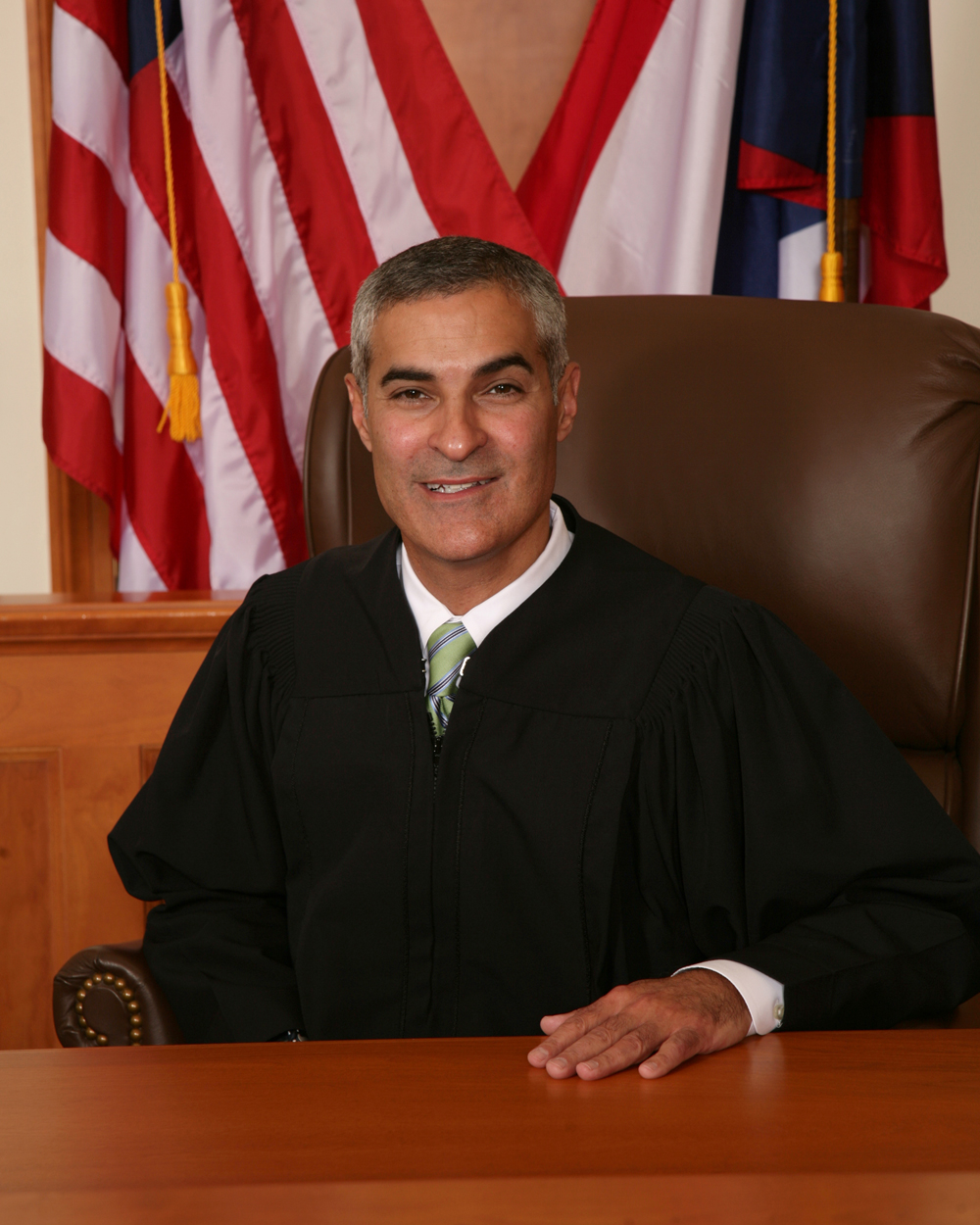
Judge Victor M. Haddad received a bachelor's in criminology from the University of Cincinnati in 1985, graduating magna cum laude, and a Juris Doctorate from U.C. College of Law in 1988. He was admitted to practice in Ohio in 1989, in Federal District Court in 1990 and in the United States Supreme Court in 2002. He served as Magistrate and Compliance Officer of the Domestic Relations Court, then as Assistant Prosecuting Attorney from 1992, and then as Magistrate and Court Administrator of the Clermont County Municipal Court from 1996. He was elected to the Clermont County Municipal Court in 1999 and took the bench in January 2000, serving as its Administrative/Presiding Judge in 2004, 2005 and 2006. He was elected to the Clermont County Common Pleas Court in 2006 and began his term in January 2007, was chosen Presiding Judge for all divisions of the Common Pleas Court in 2009, and held the position of Administrative Judge in 2013-2014. He was selected as the 2012 Trial Judge of the Year by the Southwest Ohio Trial Lawyers Association.
Chambers contact number: 513-732-7890.
What must be included with agreed entry waiving oral argument filings before Judge Victor Haddad?
When all parties agree to submit a motion and responses on the briefs, an agreed entry waiving oral argument is required.
What must be included with motion filing notice filings before Judge Victor Haddad?
Counsel must notify the Court after filing a motion when a hearing is necessary.
How do I request an adjournment or extension before Judge Victor Haddad?
The request must include reason for request and proposed rescheduled date. Civil continuance requests should be made by written motion, served on opposing counsel or parties, state the requested continuance date and reason, and be filed with the civil clerk.
What rule applies to service for criminal continuance motion before Judge Victor Haddad?
In criminal cases, a request for a continuance should be by written motion with a copy to the assistant prosecutor handling the case.
Complete rules summary for Judge Victor Haddad
When all parties agree to submit a motion and responses on the briefs, an agreed entry waiving oral argument is required.
Civil continuance requests should be made by written motion, served on opposing counsel or parties, state the requested continuance date and reason, and be filed with the civil clerk.
Criminal continuance requests should be made by written motion with a copy to the assistant prosecutor, state the reason, and include a proposed hearing date; an evidentiary-hearing continuance requires a showing of good cause.
In criminal cases, a request for a continuance should be by written motion with a copy to the assistant prosecutor handling the case.
Requests to continue civil cases should be done by written motion and the opposing counsel or parties must be served.
Counsel must notify the Court after filing a motion when a hearing is necessary.